
If you’re thinking about investing in Charlotte real estate, one of the most important decisions you’ll face is whether to pursue a fix and flip strategy or a buy and hold approach. Both can be profitable in Charlotte’s fast-growing market. However, both strategies cater to different investor types, risk levels, and time horizons. With population growth, strong migration, and steady housing demand shaping Charlotte real estate, the right strategy depends as much on your goals as on market conditions.
Key Takeaways:
- Fix and flip offers faster returns but requires clear execution, strong rehab management, and risk tolerance for market shifts
- Buy and hold builds steady wealth through consistent rental income and long-term appreciation, perfect for investors focused on stability and passive income
- Neighborhood selection is critical: flippers thrive in emerging areas with renovation potential, while buy-and-hold investors benefit from stable communities with strong rental demand and growth.
Fix and Flip vs. Buy and Hold: How Each Strategy Works
Fix and Flip
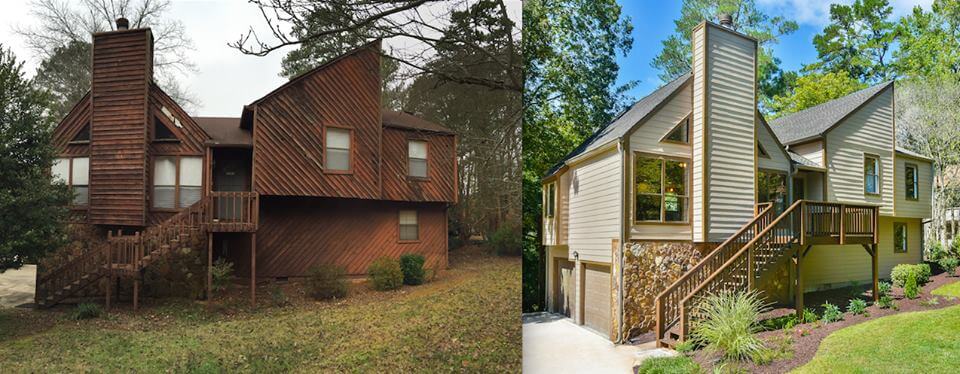
At its core, the fix and flip strategy focuses on speed and transformation. Investors buy homes—often at a discount or in need of repairs—renovate them, and sell them quickly for a profit. The goal is to create value through smart improvements rather than long-term appreciation. The strategy rewards efficiency, project management skills, and precise market timing. In Charlotte, flippers can find opportunity in older neighborhoods where cosmetic upgrades, modern finishes, or layout improvements can significantly boost resale value. However, success depends on managing renovation costs and keeping projects on schedule; delays or budget overruns can quickly erode profits.
Buy & Hold
By contrast, buy and hold investing is a long-term game. Instead of flipping for immediate resale, investors purchase properties to generate ongoing rental income while benefiting from steady appreciation over time. The model suits those who want consistent cash flow, lower risk, and equity growth that compounds over years. In Charlotte’s strong rental market fueled by job growth and population expansion—buy and hold investors often find steady tenants and reliable returns.

Comparing Short-Term Flips and Long-Term Holds in Charlotte’s Market
When it comes to fix and flip projects in Charlotte, the attraction is clear: the potential for fast, sizable returns. The numbers can be enticing, but they come with a caveat—flipping success relies heavily on execution. Investors must buy properties at the right price, control rehab costs, and sell before market conditions change. In Charlotte’s moderating market, a flip that takes too long or exceeds budget can quickly turn from profitable to risky.
Flippers also need to stay mindful of timing and liquidity. On average, North Carolina flips take about 150–160 days from purchase to resale. During that period, investors face financing payments, insurance, property taxes, and utilities. Every extra month eats into profit margins. The best Charlotte flippers succeed not just because they buy low, but because they manage renovations like clockwork and understand local buyer preferences—open layouts, updated kitchens, and modern exteriors are all top priorities for resale.
The buy and hold investor plays a different game entirely. Instead of chasing fast profits, they build wealth through steady rent checks and slow appreciation. Charlotte is particularly well-suited for this approach thanks to its strong job market and continual influx of renters. Many newcomers moving to the area aren’t ready to buy immediately, which creates consistent rental demand for well-maintained single-family homes and small multifamily units.
Buy and hold investors benefit from stability, but they trade off immediate liquidity. Properties must be managed, tenants need to be vetted, and repairs handled regularly. Yet those who take a long-term view often find the compounding effect of appreciation and loan pay-down powerful. Even modest annual appreciation—say 3% per year—can translate into substantial gains over a decade. Combined with positive cash flow from rentals, it becomes a steady path to building net worth.
How Each Strategy Fits Charlotte’s Current Climate
Charlotte’s shifting market dynamics affect fix and flip and buy and hold investors differently. For flippers, a slight slowdown in appreciation means profits must come from genuine value-add improvements, not market momentum. Flippers need to target neighborhoods where buyer demand remains strong, such as transitional areas close to Uptown, South End, or rapidly improving suburbs like Belmont and Steele Creek.
For buy and hold investors, Charlotte’s balance of population growth and modest price gains creates an ideal long-term environment. Rents have proven resilient even as new supply enters the market, and investor financing options are improving as mortgage rates stabilize. Submarkets with solid school districts and access to major employers—such as University City, Matthews, and Huntersville—continue to attract stable tenants. Over time, these areas tend to appreciate steadily, offering the dual benefit of income and capital growth.
Weighing the Risks and Returns of Fix and Flip vs. Buy and Hold
Fix and flip investing in Charlotte typically carries higher risk but faster potential reward. Renovations can uncover hidden issues, contractor delays can stretch timelines, and shifting buyer sentiment can affect resale speed. However, when executed efficiently, flipping can yield high single-project returns in just months. It’s ideal for experienced investors with reliable contractor networks, access to capital, and the ability to handle multiple moving parts simultaneously.
On the other hand, buy and hold investing offers lower risk but slower reward. It’s more forgiving of market fluctuations because rental income provides a cushion even if home values temporarily soften. Investors who focus on well-located properties with sustainable rent-to-price ratios can generate reliable cash flow while waiting for appreciation to compound. The approach rewards patience, management discipline, and a long-term mindset.
Financing Your Strategy: Capital Needs for Flip and Hold Investors
Access to available capital often determines which path fits best for investors. Flipping typically requires significant upfront funding—not only for acquisition but also for renovations, holding costs, and cash reserves. Many Charlotte flippers use short-term hard-money loans, bridge financing, or partnerships to cover costs. These financing tools can accelerate deal flow but also add interest expense and pressure to complete projects quickly.
Buy and hold investors usually rely on more traditional financing: conventional or DSCR (Debt Service Coverage Ratio) loans designed for rental properties. While down payments can be substantial, interest rates are generally lower, and financing can be structured for long-term ownership. Cash flow analysis becomes essential here; investors must ensure rents exceed expenses, even after accounting for maintenance, property management, and occasional vacancies.
The Power of Location: Finding the Right Fit in Charlotte
Neighborhood selection can make or break either strategy. For fix and flip projects, the sweet spot is often older neighborhoods close to revitalization zones—places where a well-done renovation stands out and resale demand is strong. Areas like Plaza Midwood, NoDa, and sections of West Charlotte near the airport have seen renewed buyer interest for renovated homes with modern upgrades. Investors who understand each neighborhood’s ceiling price can more accurately gauge potential profit margins.
For buy and hold investors, stable rental areas with consistent tenant demand are key. Family-friendly suburbs such as Mint Hill, Ballantyne, and parts of University City offer good rental yield potential thanks to strong schools and commuting convenience. Emerging neighborhoods with access to light rail or new development—like South End and East Charlotte—may also provide higher long-term appreciation, especially if purchased before major infrastructure improvements drive up prices.

Which Strategy Fits You Best?
Ultimately, the choice between fix and flip and buy and hold depends on your personal goals. If you thrive on project-based work, have construction experience, and want to generate faster profits, flipping may align with your ambitions. You’ll need to be comfortable with risk and ready to manage contractors, permits, and market timing—but the potential payoffs can be significant when done right.
If your focus is on steady cash flow and long-term wealth building, buy and hold investing may be the better route. It offers passive-income potential and more stability, though it requires patience and solid management. Many successful investors in Charlotte eventually combine both strategies—flipping houses to build capital and reinvesting profits into long-term rental properties. This hybrid approach can create both short-term income and long-term wealth.
Bottom Line
Charlotte’s real estate market continues to evolve, but its fundamentals remain strong. The city’s growth, employment diversity, and livability ensure that both fix and flip and buy and hold strategies can thrive when executed thoughtfully.
For those ready to act now, fix and flip can deliver quick returns in neighborhoods with strong buyer demand—provided you buy smart and manage efficiently. Buy and hold, meanwhile, fits investors looking for enduring wealth, stable cash flow, and the ability to ride out short-term market cycles.
In the end, the best real estate strategy in Charlotte isn’t a one-size-fits-all answer—it’s the one that aligns with your financial goals, resources, and appetite for risk. Charlotte offers opportunity for both quick-turn flippers and patient long-term investors. The key is knowing your lane, understanding the market, and partnering with local experts who know how to find value where others might not.
Sell Your Charlotte Property to Turn Edge Estates
Looking to sell a property in the Charlotte area? Turn Edge Estates buys homes directly—any condition, any situation. Skip the listings and showings; we make fast, fair cash offers and close on your timeline. Whether it’s a rental, fixer-upper, or inherited home, we’re your trusted local buyer ready to make selling simple.